
On Wednesday the 13th, we rented a car in Reims and drove to Verdun to visit the battlefields (Champs de Bataille) of the Battle of Verdun, a terrible and prolonged WWI battle waged between the French and German armies between February and December, 1916.
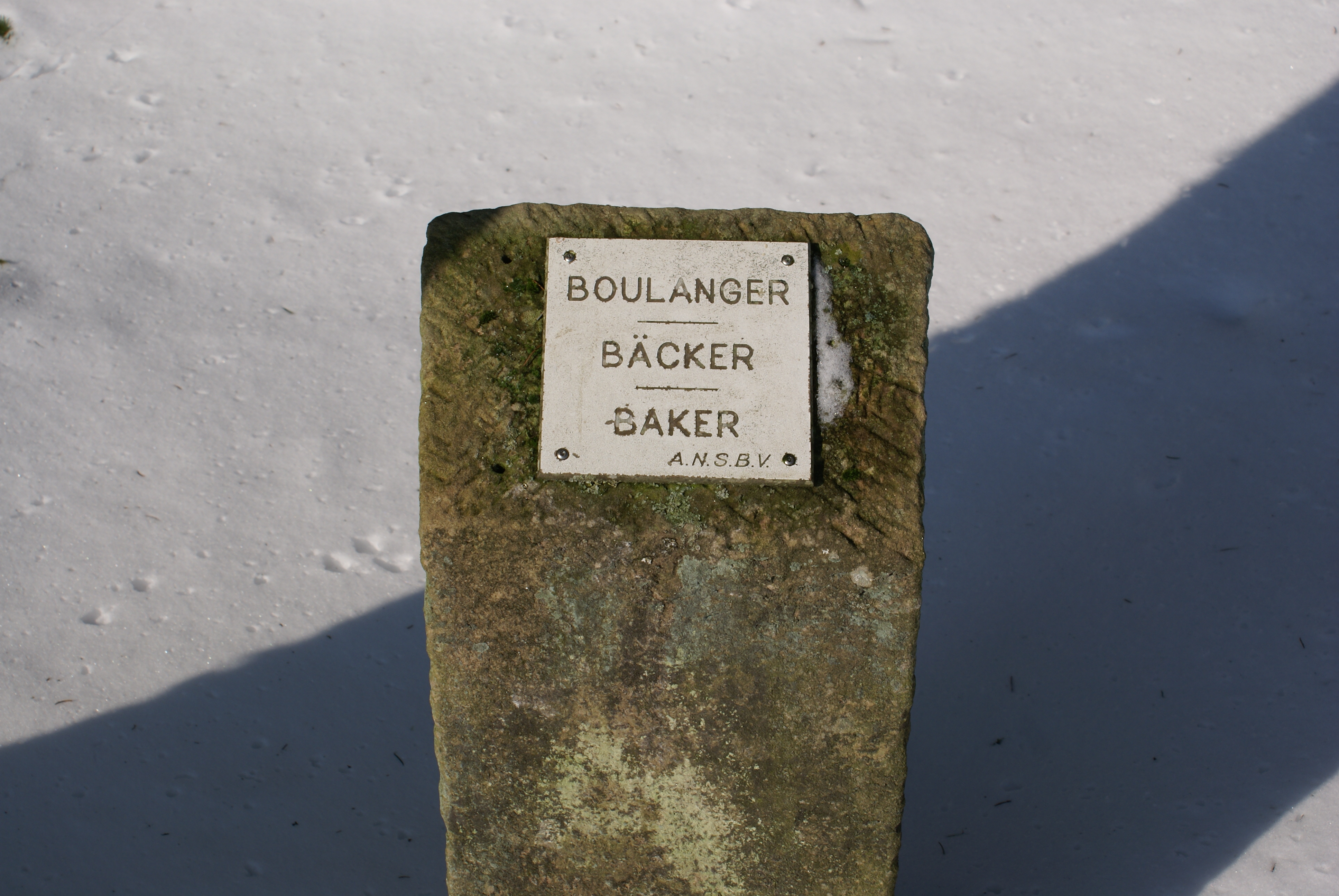
According to what we learned at the Memorial Musee de Verdun , the area around Verdun prior to the First World War contained several small villages. These were vibrant communities, made up of farmers, vintners, bakers, and tradesmen, all existing peacefully and harmoniously.
Thirteen of these villages were completely decimated in the trench warfare and fighting of the Battle of Verdun, the land devastated by months of assault from heavy artillery, flamethrowers, grenades. The French government elected not to resurrect the thirteen “Destroyed Villages” at the end of the First World War, and today they are marked only with signs and a few crumbling remains. They are, however, considered by the government to have “died for France”, so their memories are honoured in perpetuity such that each one is still officially represented by its own mayor.
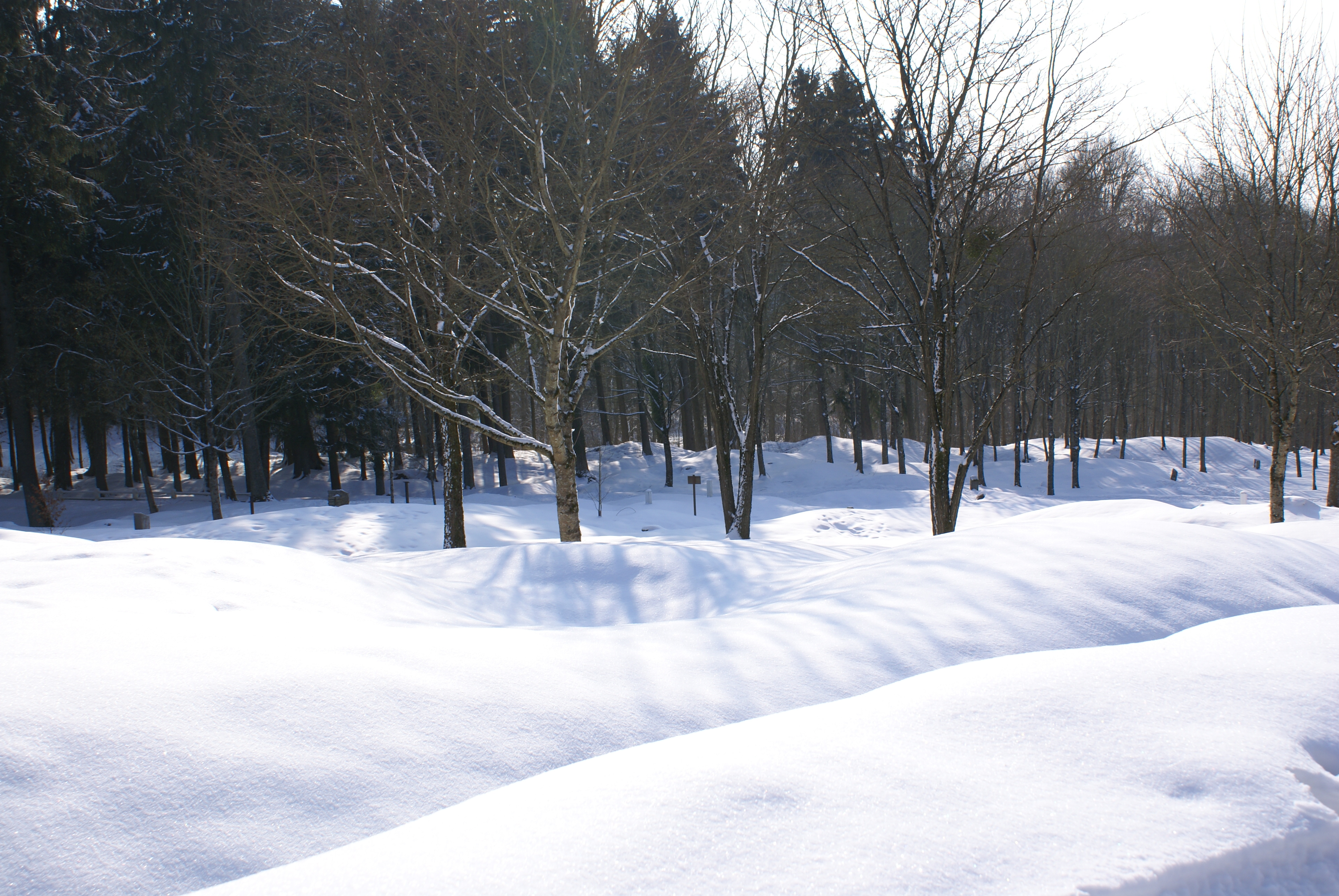
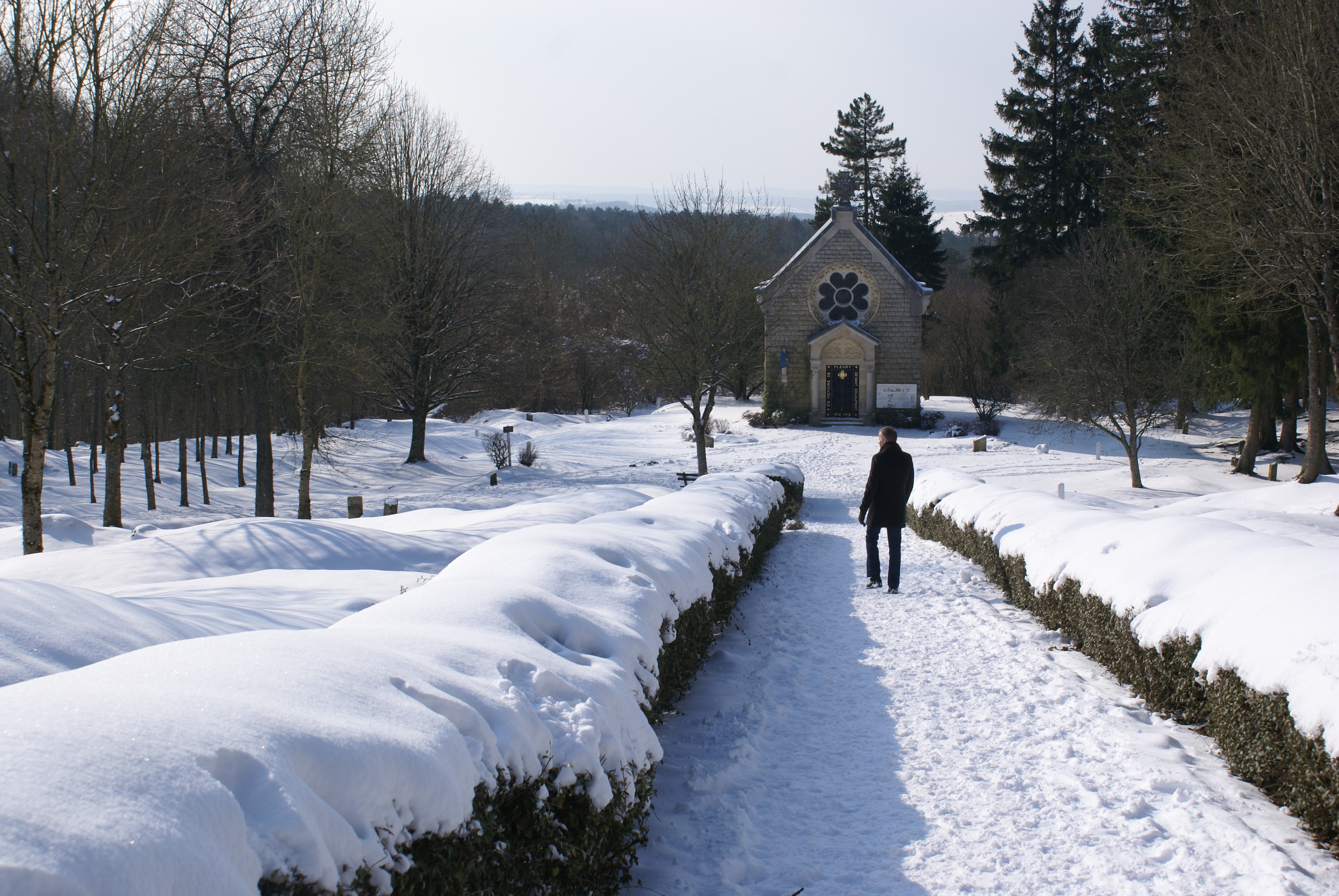
One of the destroyed villages, called Fleury, is marked by a small chapel, as well as stone markers that stand where the former inhabitants and businesses were located. The surrounding landscape is scarred by craters, which clearly show the devastation and havoc visited on the entire region by the Battle of Verdun.
As we left the site of Fleury, we noticed that several cars had parked along the side of the road. Schools are closed on Wednesdays in France, and so many families had taken their small children out for some tobogganing down the many gentle slopes in Verdun. A very heavy price was paid by nearly 800 000 men from both countries for this kind of peace, but I like to think that they would have been comforted by the knowledge that their sacrifice would deliver the children of the future from the hell that they had witnessed.
 MEMORIES LIE...