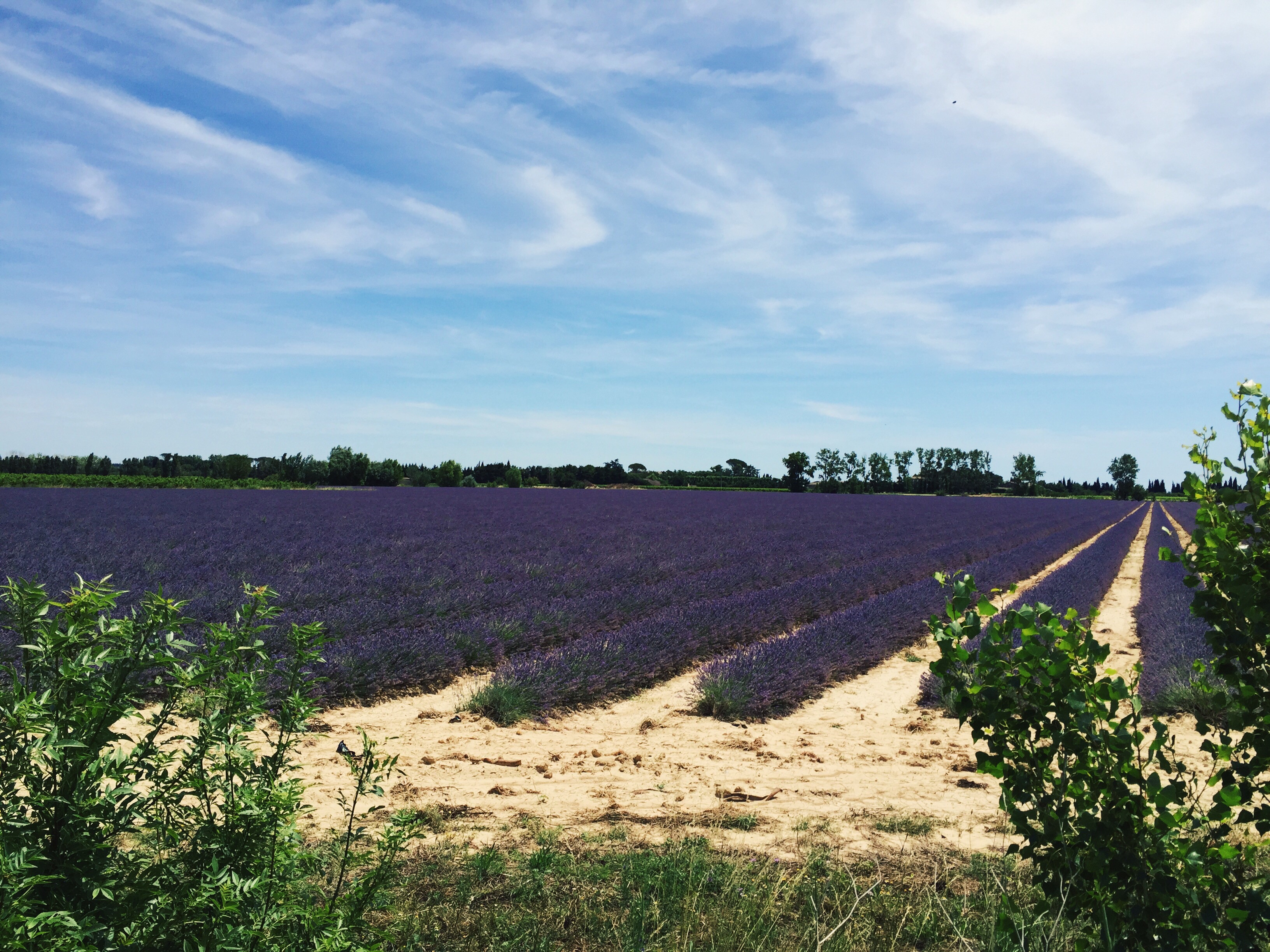

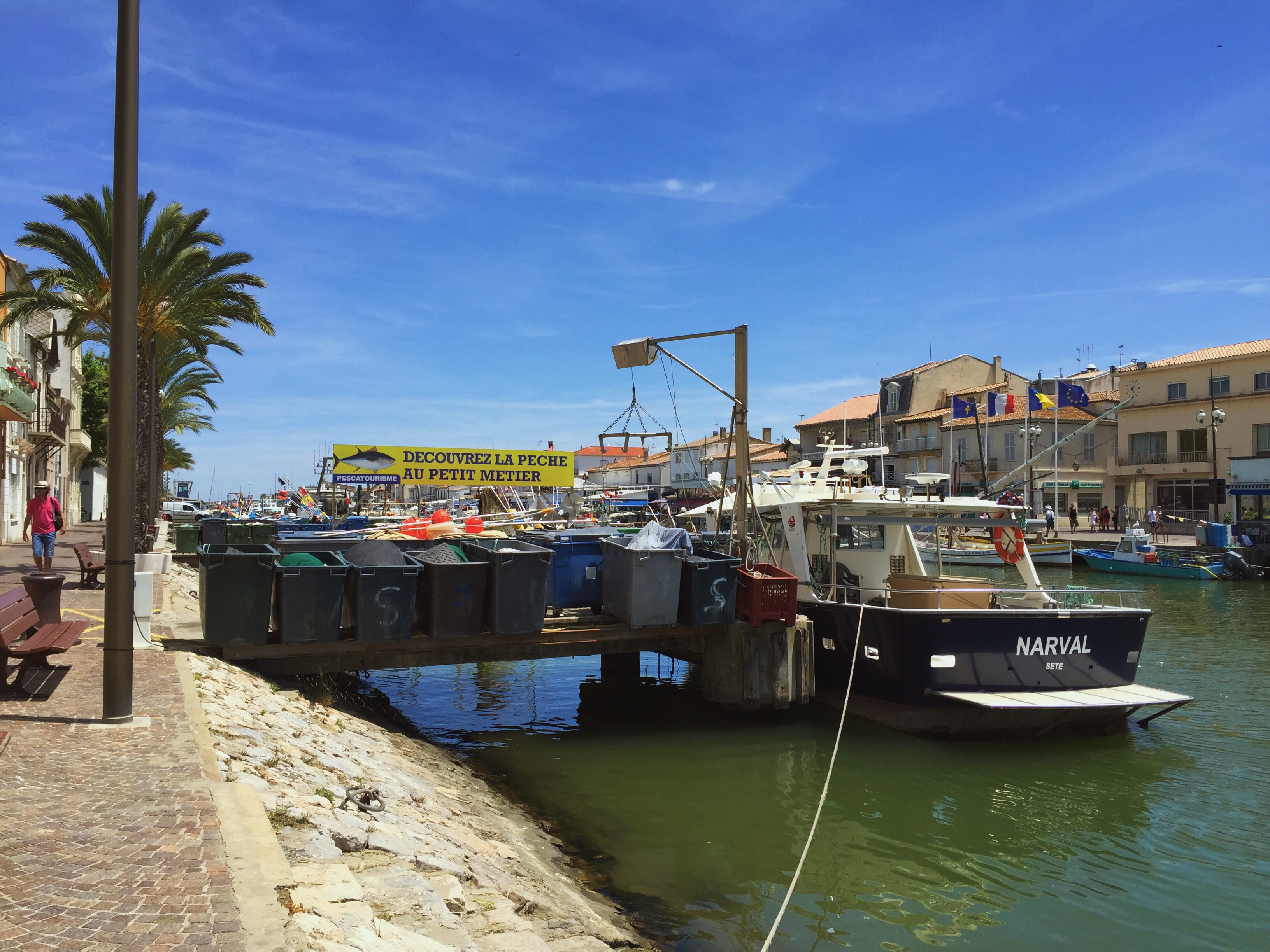


D and I would not normally take a tour of any kind while on vacation, usually preferring to wander off on our own to see what there is to see. However, a large swath of the southern part of the Languedoc-Roussillon and of Provence stretching to the Mediterranean, called “La Camargue”, contains beautiful countryside and wildlife that are not really accessible without some kind of tour.
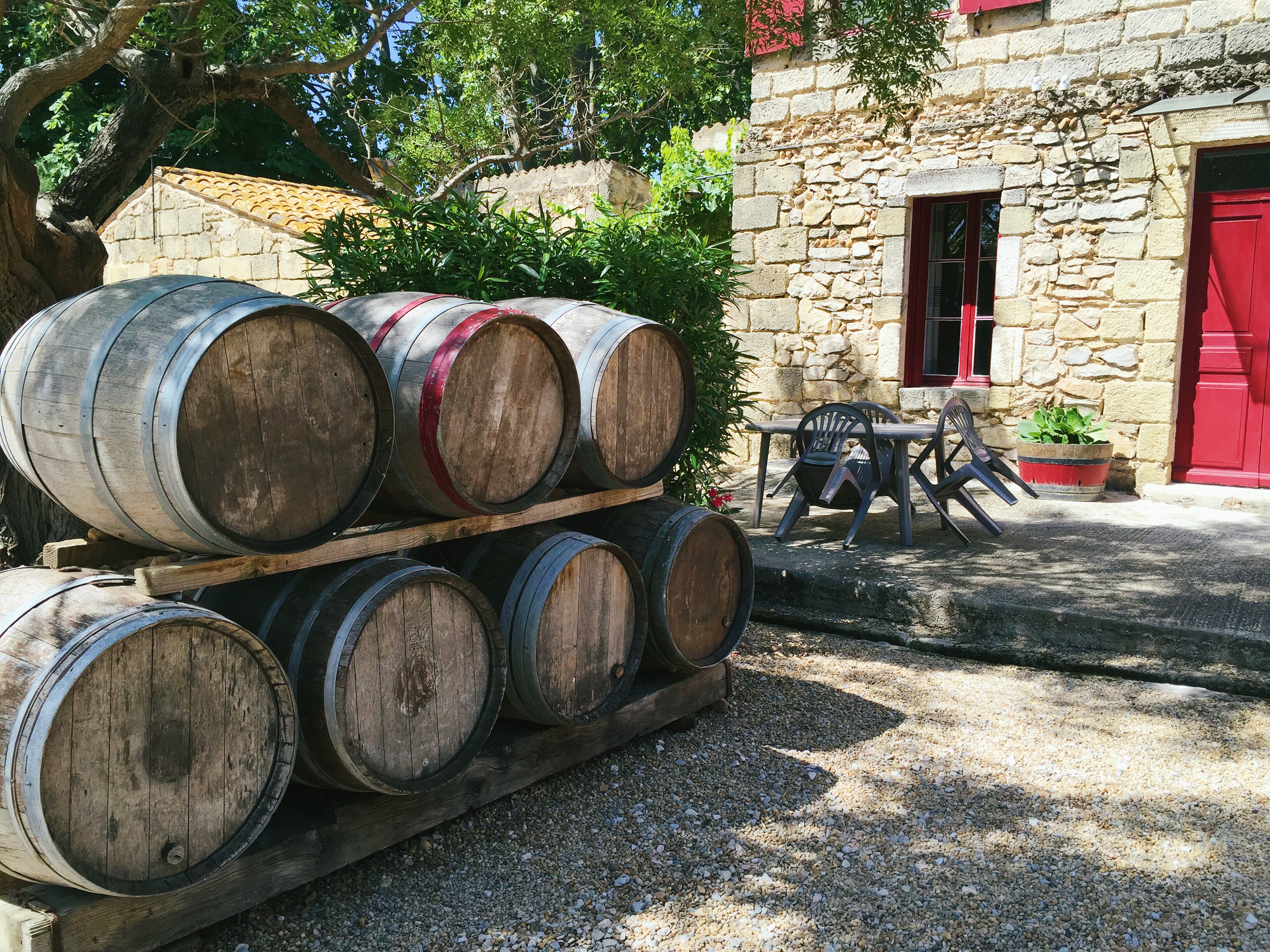
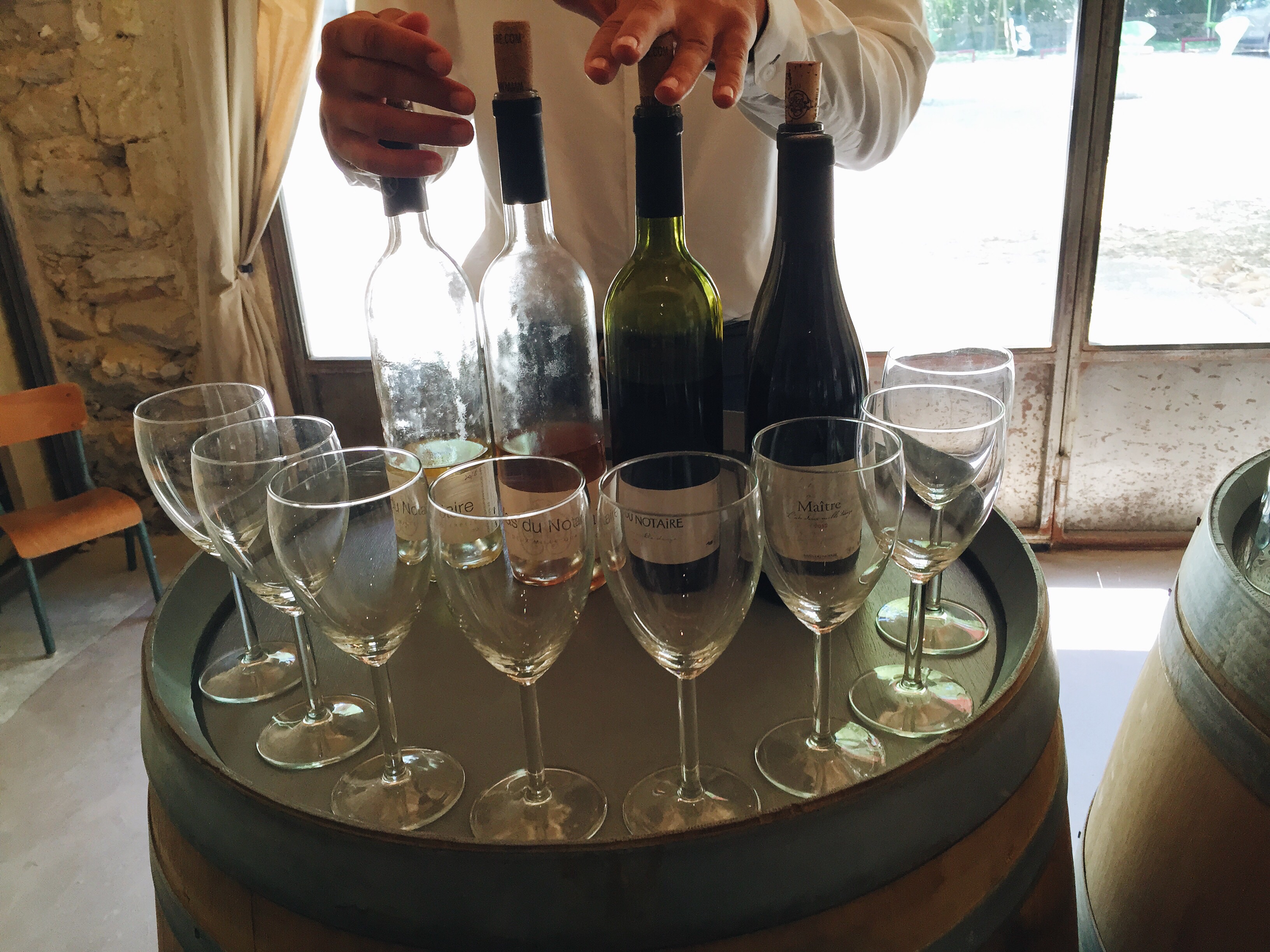
We signed up for a 3.5 hour guided tour in a Land Rover with Camargue Autrement on Sunday. Departing from le Grau du Roi (approximately one hour’s drive from Nimes on a very quiet morning on the A9), we toured around the countryside of le Petit Camargue, sighting pink flamingoes, Camarguais horses and Camarguais bulls, as well as the outside of the walled city of Aigues Mortes. As the region is filled with vineyards (just like all the areas around Nimes, whose appellation is the “costières de Nîmes”), we also stopped in to a winery for a wine tasting. Yes, we had alcohol at 10:30 AM!
The Camargue is very well-known for its semi-wild bulls, raised together on farms called “manade”. The men who raise and handle these animals are called “manadiers”. The bulls roam free in the Camargue pastures, watched over and controlled by “les gardiens”, essentially cowboys who ride Camargue horses to wrangle the herds.
D and I have a special interest in these manades and their bulls, because on a previous trip to Arles, we were introduced to “les Courses Camarguaises”, an arena sport that is traditional to this region, in which the bull’s horns are fitted with cords and special ribbons which are then cut by men (les razeteurs) who use a special tool to try and remove the cords. More on that in the next post.
The bulls used in the Courses Camarguaises each come from a manade. Each bull in a manade is “tested” at a certain age, to determine its future use. Those who show agility, can run well, and are not easily intimidated are generally chosen for the Courses Camarguaises. Bulls who are calmer, who show a natural tendency for leadership (I have no idea how that is determined), and who tend not to fight with the other bulls are chosen as “simbéu”, who are fitted with cow bells, and whose role is to assist the gardiens with controlling the herd, as well as with accompanying the bulls who participate in a course Camarguaise.
Bulls who are not aggressive enough for the Courses Camarguaises, but still demonstrate some willingness and spirit for sport, are used in other regional games such as “l’abrivado”, “les gases”, and “taureau piscine”.
And of course, those bulls who demonstrate no capacity for any of these activities are raised for their meat.
 MEMORIES LIE...